Electrical systems rarely fail all at once. Unlike a burst pipe or a collapsed roof, electrical deterioration happens quietly, behind walls and panels, often unnoticed until something goes wrong. Many homes continue to function with aging wiring, outdated components, and overloaded circuits, giving a false sense of safety.
Yet electrical systems age just like any other part of a house. Materials degrade, standards evolve, and demands increase. Recognizing the warning signs early can prevent costly repairs, safety hazards, and even fires.
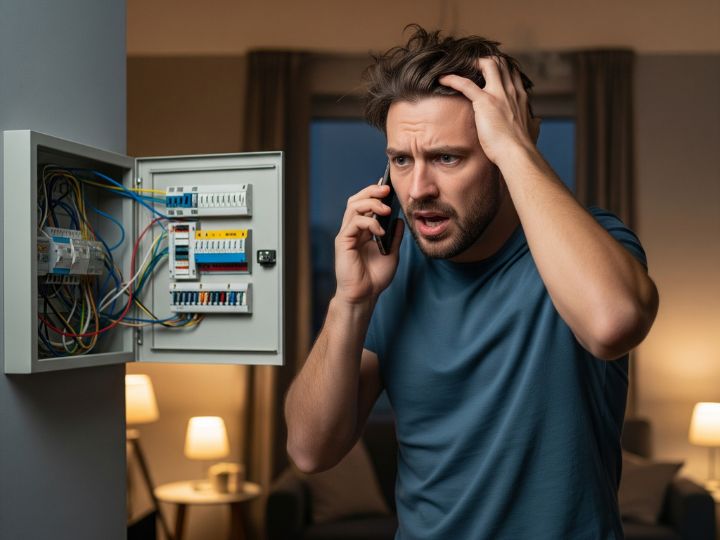
Why Electrical Aging Is Often Overlooked
Most homeowners interact with electricity only through switches and outlets. As long as lights turn on and appliances run, everything seems fine.
What is hidden:
-
Wiring insulation slowly breaking down
-
Connections loosening over time
-
Panels no longer designed for modern loads
-
Safety devices missing or outdated
Electrical systems are built to last, but not forever. Many homes still rely on systems installed decades ago, long before today’s power demands.
Warning Sign 1: Frequently Tripped Circuit Breakers
Circuit breakers are designed to trip when circuits are overloaded.
Occasional trips happen. Frequent tripping is a warning.
This may indicate:
-
Circuits carrying more load than designed
-
Aging breakers losing sensitivity
-
Undersized wiring compared to current usage
Repeated resets stress the system and mask the underlying issue. An electrician can determine whether rebalancing circuits or upgrading the panel is necessary.
Warning Sign 2: Flickering or Dimming Lights
Lights that flicker when appliances start or dim unexpectedly point to electrical strain.
Possible causes include:
-
Loose wiring connections
-
Voltage fluctuations
-
Overloaded circuits
-
Deteriorating wiring insulation
While a single faulty bulb is harmless, widespread or persistent flickering deserves attention.
Warning Sign 3: Warm or Discolored Outlets and Switches
Electrical components should never feel warm during normal use.
Warmth, discoloration, or scorch marks suggest:
-
Loose connections causing resistance
-
Arcing behind the outlet
-
Worn or outdated components
This is one of the clearest signs of electrical danger. Heat is a precursor to failure and fire.

Warning Sign 4: Buzzing or Crackling Sounds
Electrical systems are meant to be silent.
Buzzing, crackling, or popping noises from outlets, switches, or breaker panels may indicate:
-
Loose wiring
-
Faulty breakers
-
Arcing electricity
These sounds signal active electrical problems that should not be ignored.
Warning Sign 5: Limited or Poorly Placed Outlets
Older homes often lack sufficient outlets.
Common signs include:
-
Heavy reliance on extension cords
-
Power strips used permanently
-
Appliances sharing circuits
This setup increases load on aging wiring and raises fire risk. Modern electrical layouts distribute demand more evenly and safely.
Warning Sign 6: Two-Prong Outlets or Lack of Grounding
Ungrounded outlets were common in older construction.
While they may still function, they offer less protection against surges and electrical faults. Modern appliances are designed with grounding in mind.
Lack of grounding increases risk of:
-
Electric shock
-
Appliance damage
-
Fire during faults
Upgrading grounding improves both safety and functionality.
Warning Sign 7: Aluminum Wiring
Homes built during certain periods may contain aluminum wiring.
Aluminum expands and contracts more than copper, increasing the likelihood of loose connections and overheating. Special connectors and maintenance are required to manage this safely.
If your home has aluminum wiring, professional evaluation is essential.
Warning Sign 8: Absence of GFCI and AFCI Protection
Modern electrical codes require safety devices such as:
-
GFCI outlets in kitchens, bathrooms, and outdoor areas
-
AFCI breakers to prevent arc faults
Older homes may lack these protections entirely. Their absence does not mean failure, but it does mean reduced safety compared to current standards.
.webp)
Warning Sign 9: Burning Smells or Electrical Odors
Any burning smell near outlets, switches, or panels is a serious warning.
Odors may come and go as components heat and cool, making them easy to dismiss. Even faint smells indicate insulation breakdown or overheating.
This requires immediate professional attention.
Warning Sign 10: An Outdated Electrical Panel
Electrical panels are the heart of the system.
Signs of an aging panel include:
-
Limited breaker space
-
Rust or corrosion
-
Panels no longer supported by manufacturers
-
Frequent breaker issues
Older panels were not designed for today’s electronics, HVAC systems, and appliances. Panel upgrades improve safety and capacity.
Why Modern Living Strains Old Systems
Electrical demand has increased dramatically.
Homes now support:
-
Multiple computers and chargers
-
Smart devices
-
High-efficiency HVAC systems
-
Kitchen appliances running simultaneously
An electrical system built decades ago may be working beyond its original design limits.
The Cost of Waiting
Delaying electrical upgrades can result in:
-
Increased fire risk
-
Appliance damage
-
Insurance complications
-
More extensive repair requirements
Early evaluation and targeted upgrades are far less expensive than emergency repairs.
When to Call a Professional
If more than one warning sign applies to your home, it is time for a professional inspection.
Electricians can assess load capacity, wiring condition, grounding, and safety devices. They provide clarity without guesswork.
Conclusion
Aging electrical systems rarely fail loudly. They warn quietly, through small changes that are easy to overlook.
The question is not whether your home’s electrical system still works.
It is whether it is still working safely.
Recognizing the signs early protects your home, your investment, and the people who live inside it.