Sharing food is one of the most instinctive ways humans express affection. A bite from the table. A leftover treat. A snack slipped under the counter when no one is watching. To us, it feels harmless, even loving.
To pets, it can be dangerous.
Many common human foods disrupt animal digestion, damage organs, or create long-term health problems that do not appear immediately. Because symptoms are often delayed or subtle, diet-related harm is easy to overlook. By the time issues surface, the connection to food is rarely obvious.
Understanding which foods harm pets and why helps turn good intentions into genuinely healthy care.
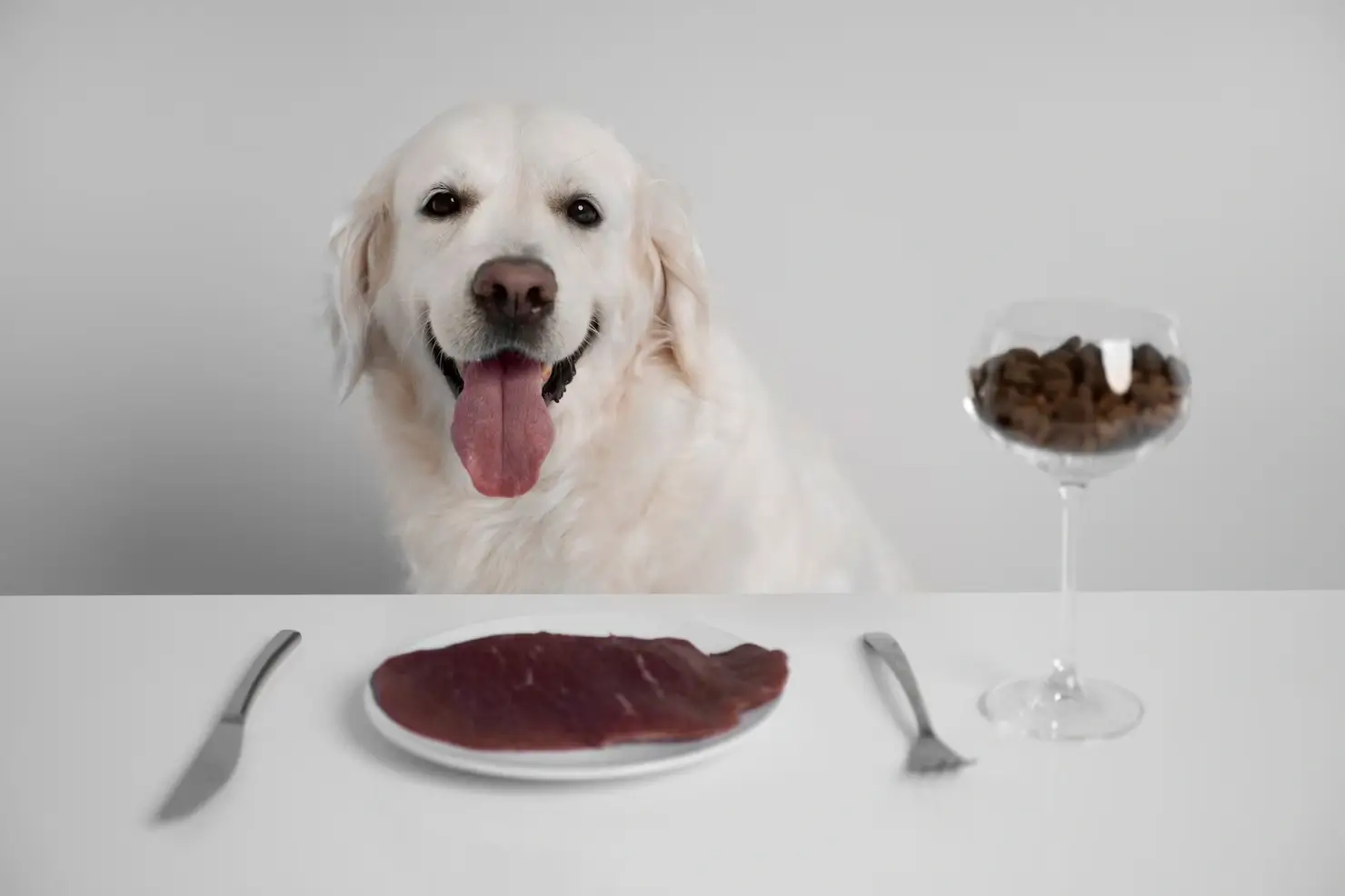
Why Human Food Affects Pets Differently
Pets do not process food the way humans do.
Dogs and cats have:
-
Different digestive enzymes
-
Different metabolic speeds
-
Different tolerances for fat, sugar, and toxins
Foods that are safe for people may overwhelm a pet’s system or trigger toxic reactions. Size matters too. A small amount for a human can be a large dose for a pet.
The danger is not always immediate poisoning. Often, it is cumulative damage.
Chocolate: The Most Familiar Danger for a Reason
Chocolate contains theobromine and caffeine, substances pets cannot break down efficiently.
Even small amounts can cause:
-
Vomiting and diarrhea
-
Rapid heart rate
-
Tremors or seizures
Darker chocolate is especially dangerous due to higher concentrations. The issue is not just how much is eaten, but how slowly the toxins leave the body.
Chocolate toxicity is one of the clearest examples of why “just a little” is not safe.
Onions, Garlic, and Leeks: Silent Blood Damage
These ingredients are common in cooked meals and sauces.
They damage red blood cells in pets, leading to anemia. The effect builds over time and may not show immediate symptoms.
Warning signs include:
-
Lethargy
-
Pale gums
-
Weakness
Cooked forms are just as dangerous as raw. Powdered seasonings are especially concentrated and easy to overlook.
Grapes and Raisins: Unpredictable but Severe
Grapes and raisins can cause acute kidney failure in dogs.
The exact toxic mechanism is still unclear, which makes risk impossible to predict. Some dogs react to very small amounts.
Symptoms may include:
-
Vomiting
-
Loss of appetite
-
Reduced urination
Because there is no safe threshold, grapes and raisins should never be offered.
Fatty Foods: The Path to Pancreatitis
Table scraps often contain high levels of fat.
Greasy meats, fried foods, and rich leftovers stress a pet’s pancreas. Repeated exposure can lead to pancreatitis, a painful and sometimes life-threatening condition.
Signs include:
-
Abdominal pain
-
Vomiting
-
Loss of appetite
-
Fever
Even if symptoms resolve, repeated episodes increase long-term digestive vulnerability.

Bones: More Risk Than Reward
Bones are often assumed to be natural and beneficial. In reality, cooked bones are brittle and dangerous.
They can:
-
Splinter and perforate the digestive tract
-
Cause choking
-
Break teeth
Raw bones carry bacterial risks and still pose obstruction hazards. Safer alternatives designed for pets provide chewing satisfaction without the same dangers.
Dairy Products: Not as Innocent as They Look
Many pets are lactose intolerant.
Milk, cheese, and ice cream can cause:
-
Gas
-
Diarrhea
-
Stomach discomfort
While small amounts may not cause visible harm every time, repeated exposure leads to chronic digestive upset.
Comfort foods for humans often translate into discomfort for pets.
Artificial Sweeteners: A Hidden Threat
Xylitol, commonly found in sugar-free gum, baked goods, and peanut butter, is extremely toxic to dogs.
It causes:
-
Rapid insulin release
-
Dangerous drops in blood sugar
-
Liver failure
Even trace amounts can be fatal. Reading labels becomes essential when sharing any processed food.
Salt and Seasonings: Overstimulating the System
Salty snacks and seasoned foods disrupt fluid balance and blood pressure.
Excess salt intake can lead to:
-
Increased thirst and urination
-
Sodium ion poisoning
-
Neurological symptoms
Seasonings may also contain onion or garlic powder, compounding risk.
The Long-Term Impact of “Occasional” Feeding
Many owners justify sharing food as an occasional treat.
The issue is not frequency alone. It is consistency over time.
Repeated exposure to unsuitable foods contributes to:
-
Obesity
-
Dental disease
-
Digestive disorders
-
Organ strain
Pets rarely associate discomfort with food choices. They continue to eat what is offered, trusting human judgment.
Healthier Ways to Share Without Harm
Affection does not need to come from the table.
Safer alternatives include:
-
Pet-specific treats
-
Small portions of vet-approved foods
-
Non-food rewards like play or attention
If offering human food, consult reliable veterinary sources to confirm safety and portion size.
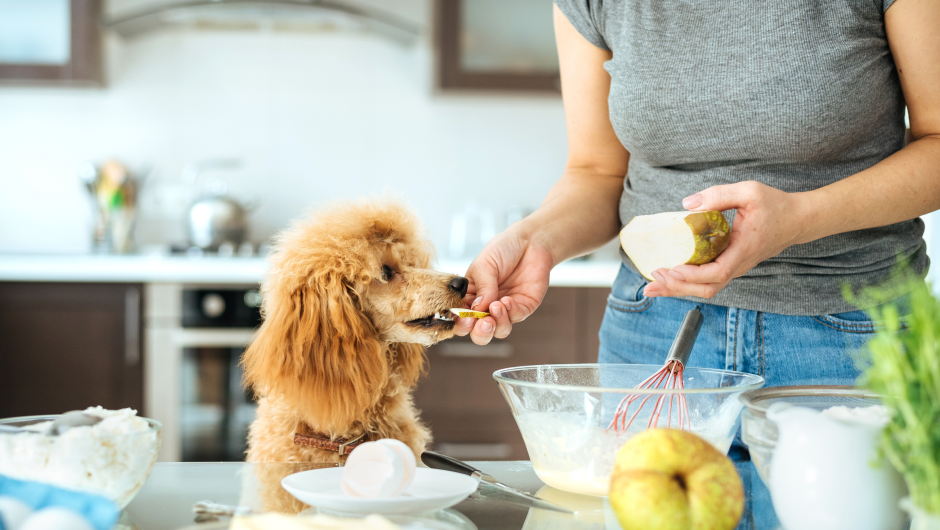
Why Pets Beg Even When Food Is Harmful
Begging is behavioral, not nutritional.
Pets learn patterns quickly. Attention, not hunger, often reinforces the habit. Responding with food strengthens the behavior, regardless of health consequences.
Understanding this helps break the cycle without guilt.
Conclusion
Most pet diet mistakes come from care, not neglect.
Human food feels familiar and comforting, but pets experience it differently. What seems harmless in the moment can quietly harm digestion, metabolism, and long-term health.
Good nutrition is one of the strongest foundations of a pet’s well-being.
Loving a pet means choosing what is safe over what feels generous.
The healthiest treats are the ones that protect their future, not just please them today