A roof rarely fails without warning. Long before water drips onto the floor or daylight appears through the ceiling, subtle signals begin to surface. A lifted shingle. A dark patch after rain. A gutter filled with granules. These signs are easy to dismiss, especially when the home still feels dry and secure.
Yet roofing problems follow a predictable pattern. What starts as a small, affordable repair grows quietly into structural damage, higher costs, and long-term risk. The true expense of roof neglect is not just the repair itself, but everything that fails afterward.
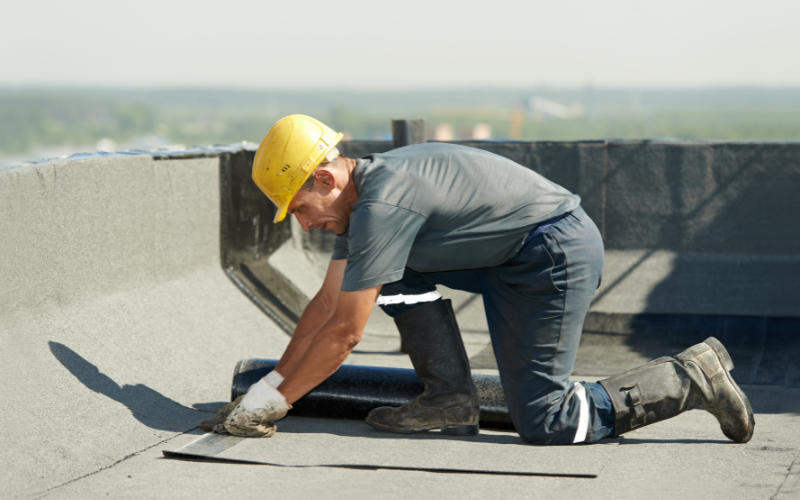
Why Roof Damage Is Often Ignored
Roofs are out of sight and easy to forget.
Homeowners often delay repairs because:
-
Leaks appear minor or intermittent
-
Damage is not visible from the ground
-
Repairs feel disruptive or costly
-
The roof “still works”
Unfortunately, roofing systems are layered. By the time interior symptoms appear, damage has already moved beyond the surface.
Stage One: Minor Surface Damage
Early roof problems are usually localized.
Common examples include:
-
Cracked or missing shingles
-
Deteriorated flashing around vents or chimneys
-
Small punctures from debris or hail
At this stage, repairs are relatively inexpensive. A professional can replace damaged materials and restore waterproofing before deeper layers are affected.
Ignoring these early signs allows water to penetrate the roof’s protective barrier.
Stage Two: Moisture Intrusion and Hidden Damage
Once water enters the roofing system, it spreads.
Moisture seeps into:
-
Underlayment
-
Roof decking
-
Insulation
This damage is rarely visible from inside the home at first. Water may evaporate during dry periods, creating the illusion that the problem resolved itself.
In reality, repeated moisture exposure weakens materials and creates ideal conditions for rot and mold.
Stage Three: Interior Damage Appears
When roof leaks reach the interior, costs escalate quickly.
Visible signs include:
-
Stains on ceilings or walls
-
Peeling paint or bubbling drywall
-
Musty odors in upper rooms
At this point, repairs are no longer limited to the roof. Interior finishes, insulation, and structural elements may require restoration.
What could have been a minor exterior repair now involves multiple trades and higher labor costs.
Stage Four: Structural Compromise
Prolonged roof neglect can affect the home’s structure.
Continuous moisture exposure weakens:
-
Roof decking
-
Rafters and trusses
-
Load-bearing components
Structural repairs are complex, invasive, and expensive. In severe cases, sections of the roof may need to be rebuilt entirely.
This level of damage also raises safety concerns and may require temporary relocation during repairs.
Stage Five: Energy Loss and Secondary Costs
Roof damage impacts more than water resistance.
Wet insulation loses effectiveness, leading to:
-
Higher heating and cooling bills
-
Uneven indoor temperatures
-
Increased HVAC strain
Over time, energy losses compound the financial impact of roof neglect. The home becomes less comfortable and more expensive to operate.

Mold and Health Risks
Moisture from roof leaks creates ideal conditions for mold growth.
Mold often develops behind walls and above ceilings, where it can spread unnoticed. Remediation adds significant cost and may affect indoor air quality.
Health risks associated with mold exposure further increase the hidden costs of delayed roof repairs.
Insurance and Resale Implications
Ignoring roof issues can complicate insurance claims.
Insurers may deny coverage if damage results from lack of maintenance rather than sudden events. Documentation of delayed repairs can work against homeowners.
Additionally, roof problems reduce property value. Home inspections often uncover past or ongoing roof damage, leading to renegotiations or lost sales.
Why Roof Repairs Get More Expensive Over Time
Roof repair costs increase because:
-
Damage spreads to adjacent materials
-
Repairs become more invasive
-
Emergency timelines limit contractor options
-
Interior restoration adds complexity
Time is the most expensive factor in roofing.
Preventive Maintenance Saves More Than Money
Regular roof inspections and timely repairs:
-
Extend roof lifespan
-
Reduce emergency repair risk
-
Preserve structural integrity
-
Maintain energy efficiency
Preventive maintenance costs far less than reactive restoration.
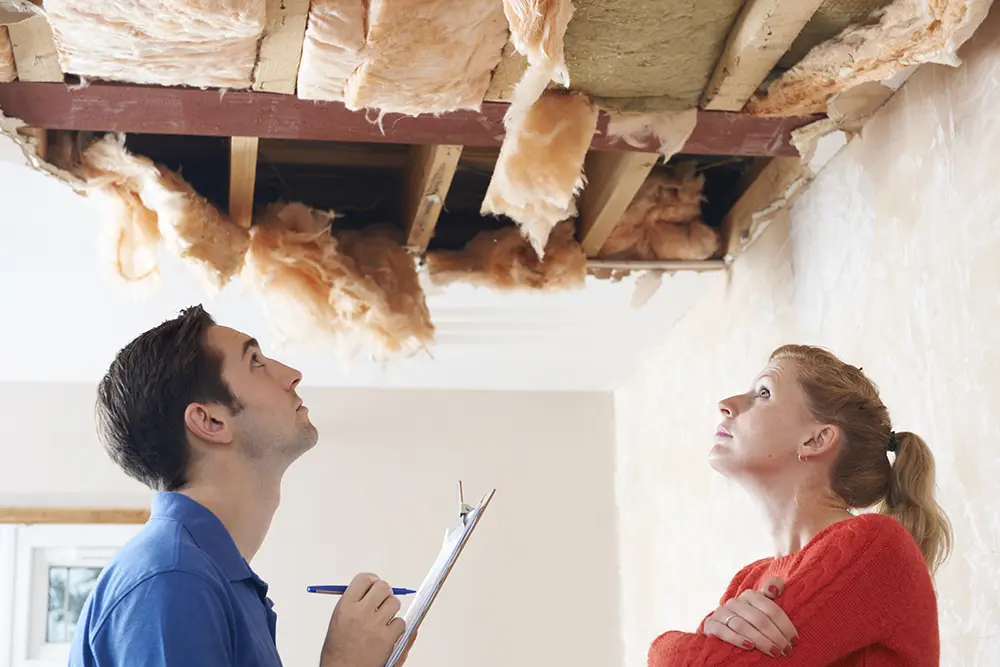
When to Act
You should seek professional roof evaluation if you notice:
-
Missing or damaged shingles
-
Granules in gutters
-
Interior water stains
-
Sagging roof sections
-
Rising energy bills without explanation
Early action limits damage and protects long-term value.
Conclusion
Roof repairs are rarely urgent until they suddenly are.
The cost of ignoring roof damage is not a single invoice. It is a chain reaction affecting structure, comfort, energy efficiency, health, and property value.
A roof protects everything beneath it.
Addressing small issues early is not just maintenance. It is protection against much bigger losses later.