Preschool teachers play a quiet but powerful role in society. Before children learn how to read textbooks or take exams, they learn how to listen, share, express emotions, and feel safe. Preschool is where curiosity is nurtured, routines are formed, and a child’s relationship with learning begins.
For many people who love working with young children, becoming a preschool teacher feels like meaningful work. But what does the job actually require? What certificates are needed, and what classroom skills separate a good preschool teacher from an outstanding one?
This guide breaks it all down in a practical, easy-to-follow way.
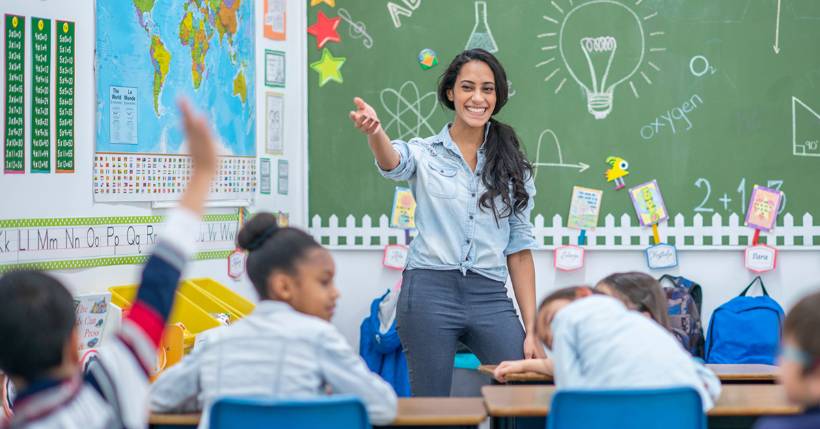
What Does a Preschool Teacher Do?
A preschool teacher typically works with children aged 2 to 5, guiding them through early learning experiences that combine play, structure, and emotional development.
Daily responsibilities often include:
-
Planning age-appropriate learning activities
-
Teaching basic concepts such as colors, numbers, shapes, and letters
-
Supporting social skills like sharing, cooperation, and empathy
-
Maintaining classroom routines and safety
-
Observing children’s development and behavior
-
Communicating with parents or guardians
-
Collaborating with teaching assistants and school staff
Unlike higher-grade teaching, preschool education focuses less on academics and more on whole-child development.
Required Certificates and Qualifications
Certification requirements vary by country and region, but most preschool teaching roles share common expectations.
1. Early Childhood Education (ECE) Certificate or Diploma
This is the most common requirement worldwide.
An ECE program typically covers:
-
Child development psychology
-
Early learning theories
-
Classroom management
-
Health and safety for young children
-
Lesson planning for preschool ages
Programs may last from 6 months to 2 years, depending on whether it is a certificate, diploma, or associate degree.
2. Teaching License or State Certification (Where Required)
In many regions, especially for public or accredited schools, teachers must hold a government-issued teaching license.
This may involve:
-
Completing an approved education program
-
Passing background checks
-
Passing teaching or childcare exams
-
Ongoing professional development
Private preschools or childcare centers may have more flexible requirements, especially for assistant teachers.
3. CPR and First Aid Certification
Because preschool teachers are responsible for young children’s safety, CPR and basic first aid certification is often mandatory.
These certifications usually include:
-
Child and infant CPR
-
Choking response
-
Basic injury care
They are typically renewed every 1 to 2 years.
4. Background and Health Checks
Most employers require:
-
Criminal background checks
-
Child safety clearance
-
Health screenings or vaccinations
These measures protect children and build trust with families.
Optional but Valuable Certifications
While not always required, these credentials can improve employability and salary potential:
-
Montessori certification
-
Special needs or inclusive education training
-
Child behavior management courses
-
Language teaching certificates (for bilingual preschools)
Schools increasingly value teachers who can support diverse learning needs.
Essential Classroom Skills for Preschool Teachers
Certificates open the door, but classroom skills determine long-term success.
1. Patience and Emotional Regulation
Preschool classrooms are lively, noisy, and unpredictable. Children cry, argue, spill things, and test boundaries.
A strong preschool teacher can:
-
Stay calm during emotional moments
-
Respond with empathy instead of frustration
-
Model emotional regulation for children
Children learn emotional control by watching adults.
2. Communication Skills
Preschool teachers communicate on multiple levels every day.
They must:
-
Explain ideas clearly to children
-
Use positive language and encouragement
-
Communicate concerns and progress to parents
-
Collaborate with colleagues and assistants
Clear communication builds trust with both children and adults.
3. Classroom Management Through Structure
Preschool classrooms work best with predictable routines.
Effective teachers use:
-
Clear daily schedules
-
Visual cues and charts
-
Consistent rules and expectations
-
Smooth transitions between activities
Structure helps children feel secure and reduces behavioral challenges.
4. Creativity and Adaptability
Preschool education thrives on creativity.
Teachers often:
-
Turn simple materials into learning tools
-
Adapt lessons based on children’s interests
-
Use music, storytelling, art, and movement
Flexibility is key. A lesson plan may change instantly if children are tired, excited, or emotionally overwhelmed.
5. Observation and Assessment Skills
Preschool teachers must notice subtle changes in behavior and development.
This includes:
-
Identifying learning delays or challenges
-
Recognizing emotional or social struggles
-
Tracking developmental milestones
These observations help teachers support children appropriately and communicate effectively with parents.
Soft Skills That Matter More Than You Think
Some of the most important preschool teacher qualities cannot be taught in textbooks.
These include:
-
Warmth and approachability
-
Consistency and reliability
-
Genuine interest in children’s thoughts
-
Respect for individual differences
Children respond strongly to emotional safety. A caring teacher can make a lasting impact.
Common Challenges in Preschool Teaching
Managing Classroom Energy
Young children have limited attention spans. Teachers must balance learning with movement, breaks, and play.
Handling Parent Expectations
Parents may have high or conflicting expectations. Clear communication and professionalism help prevent misunderstandings.
Emotional Fatigue
Caring for young children is emotionally demanding. Self-care and teamwork are essential to avoid burnout.
Career Growth Opportunities
Preschool teaching can lead to various career paths, such as:
-
Lead Teacher or Head Teacher
-
Preschool Director or Center Manager
-
Curriculum Designer
-
Early Childhood Education Trainer
-
Child Development Specialist
With experience and further education, preschool teachers can expand into leadership or specialized roles.
Conclusion
Becoming a preschool teacher requires more than loving children. It demands proper certification, emotional intelligence, classroom skills, and dedication. While the job can be challenging, it is also deeply rewarding.
Preschool teachers shape how children view learning, authority, and themselves. With the right preparation and mindset, this role can become not just a job, but a meaningful long-term career.