Modern life is busier than ever. Work hours are long, notifications never stop, and responsibilities pile up faster than we can manage. Many people feel overwhelmed not because they lack ability, but because life becomes cluttered—mentally, physically, and emotionally. But here’s the surprising truth: you don’t need a full lifestyle overhaul to regain control. Ten intentional minutes a day can transform how organized and peaceful your life feels.
If you’ve struggled with procrastination, scattered thoughts, or constant stress, this simple daily habit can help you rebuild structure, regain clarity, and reduce overwhelm—all without exhausting effort.
Why 10 Minutes Works: The Psychology Behind Small Wins
When people think of getting organized, they imagine long cleaning sessions, productivity systems, and perfectly planned schedules. But this all-or-nothing mindset is why most attempts fail. Research in behavioral psychology shows that small, consistent actions are far more effective than large, irregular efforts.
Why? Because 10 minutes:
-
Doesn’t activate resistance
-
Is easy to start and easy to finish
-
Builds momentum over time
-
Reduces cognitive load
-
Rewires your brain to associate organization with ease, not stress
It’s the same logic behind successful fitness habits—micro routines lead to macro results.
1. Start With a Daily 10-Minute Reset
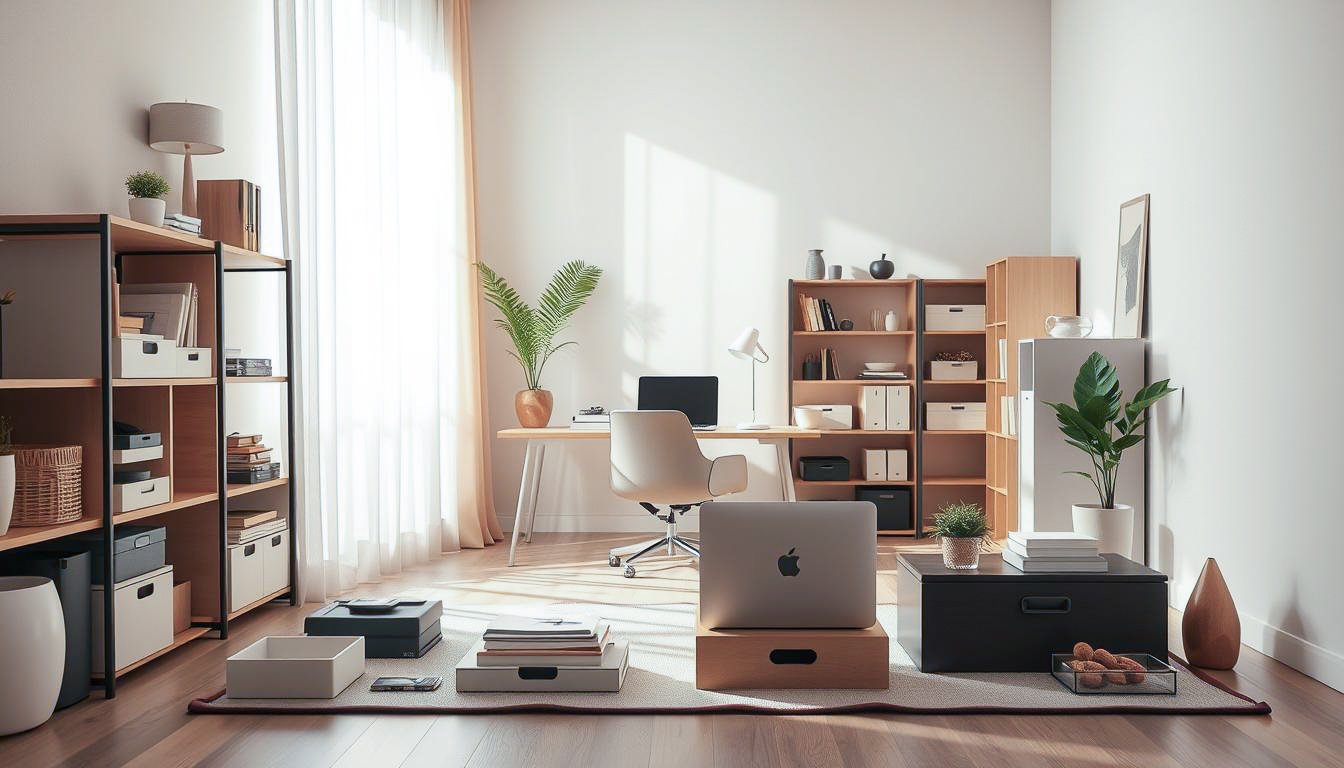
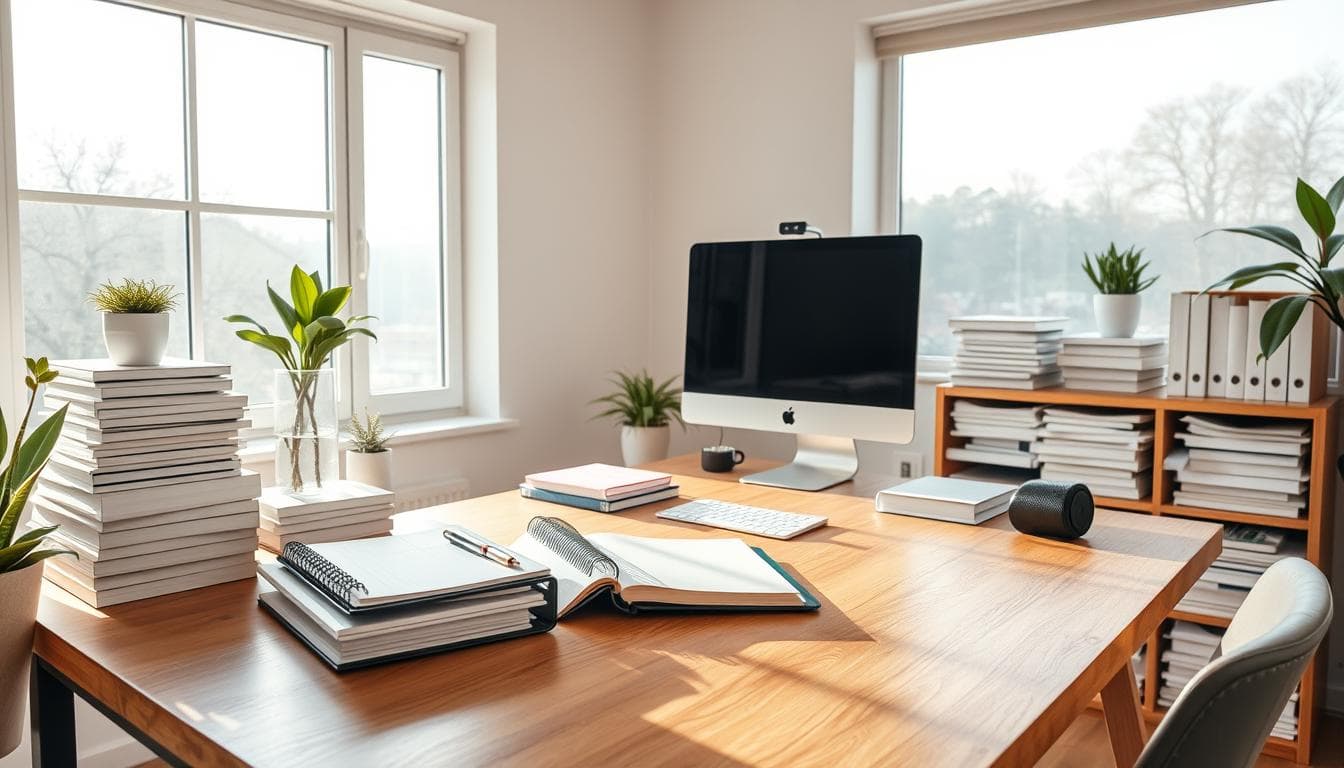
Every home, schedule, and mind benefits from a daily “reset.” Think of it as a system reboot. This routine helps you return to zero, no matter how chaotic the day was.
What you can do in 10 minutes:
-
Clear surfaces (desks, counters, tables)
-
Put items back in their places
-
Throw away trash
-
Prepare your outfit for tomorrow
-
Clean your phone screen and delete useless photos
-
Sort mail or documents
Even high-performing professionals use this technique. Many CEOs end their day by organizing their desk for the next morning. The goal isn’t perfection—it’s clarity.
Why it works
A clean space reduces mental clutter. Studies show that a tidy environment improves focus, reduces stress hormones, and boosts motivation. Ten minutes daily prevents mess from spiraling into chaos.
2. Use 10 Minutes to Plan Your Day (or Tomorrow)
Most people aren’t disorganized—they’re simply reacting to life instead of directing it. A 10-minute planning session can shift you from overwhelm to control.
A quick planning checklist:
-
List 3 priorities (not 10, not 20—just 3)
-
Identify one task that must be done today
-
Review appointments or deadlines
-
Estimate the time needed for major tasks
-
Prepare items you’ll need (files, chargers, documents, water bottle)
This micro planning routine prevents common causes of stress such as forgotten appointments, rushing, last-minute decisions, and feeling scattered.
Morning or night?
-
Morning planning boosts clarity and productivity.
-
Night planning reduces anxiety and helps you sleep better.
Choose whichever feels most natural.

3. Declutter One Small Area at a Time
Most clutter in life accumulates because the thought of “cleaning everything” feels overwhelming. But if you commit just 10 minutes a day to one micro-zone, your home becomes naturally organized without draining effort.
Micro-zones you can finish in 10 minutes:
-
One kitchen drawer
-
Your bathroom counter
-
A single bookshelf
-
Your bedside table
-
Your email inbox
-
One coat pocket or handbag
-
Your car’s front seat area
You’ll be amazed how quickly your environment transforms when you work small and consistent instead of trying to tackle everything at once.
Why micro decluttering works
Breaking tasks into tiny zones prevents burnout. It also creates visible progress, which boosts dopamine and reinforces the habit.
4. Use 10 Minutes for Mental Organization
Your mind, like your home, collects clutter—worries, unfinished thoughts, reminders, stress. A daily 10-minute mental cleanup improves emotional well-being and cognitive clarity.
How to do a mental reset:
-
Journal freely for 10 minutes
-
Write down everything on your mind (your “brain dump”)
-
List ongoing tasks or unresolved issues
-
Practice deep breathing or mindfulness
-
Sit in silence and let your thoughts settle
Studies show that writing for even 5 minutes reduces anxiety and improves problem-solving. Mental organization strengthens focus and reduces overwhelm throughout the day.
5. Use 10 Minutes to Handle a “Future Problem” Today
A powerful organizational skill is fixing small issues before they grow into big ones. Spending just 10 minutes on a “future problem” saves hours later.
Examples:
-
Pay a bill before it’s due
-
Reply to an important email
-
Fix a small household issue
-
Refill prescriptions
-
Prepare tax documents early
-
Sort out digital files before they become unmanageable
People who practice anticipatory organizing experience fewer crises and less chaos.
6. Build a 10-Minute Habit That Supports Your Long-Term Goals
Organization isn’t only about cleaning—it’s also about aligning your life with your aspirations. Spend 10 minutes daily building the version of yourself you want to become.
Possibilities include:
-
Reading 5 pages
-
Learning a new skill
-
Reviewing finances
-
Tracking habits
-
Practicing stretching or meditation
-
Planning career steps
-
Preparing healthy snacks
Small progress compounds. Ten minutes a day becomes 300 minutes a month—five hours invested in your future.

Final Thoughts: Small Steps Create Big Order
You don’t need more time, better tools, or extreme discipline. You need consistency. Ten minutes each day isn’t just manageable—it’s transformative.
With this simple routine, you can:
-
Reduce mental overload
-
Keep your environment clean
-
Improve focus
-
Strengthen emotional clarity
-
Feel more in control of your life
Life doesn’t get organized all at once—it gets organized ten minutes at a time.
If you commit to this small daily practice, a calmer, clearer, and more structured life is not just possible—it’s inevitable.